
NVIDIA Vera Rubin Is Here. This Is Why Data Center Cooling Teams Should Pay Attention
The first NVIDIA Vera Rubin NVL72 is now running on CoreWeave's cloud platform, marking another major milestone in the race to support increasingly demanding AI workloads.
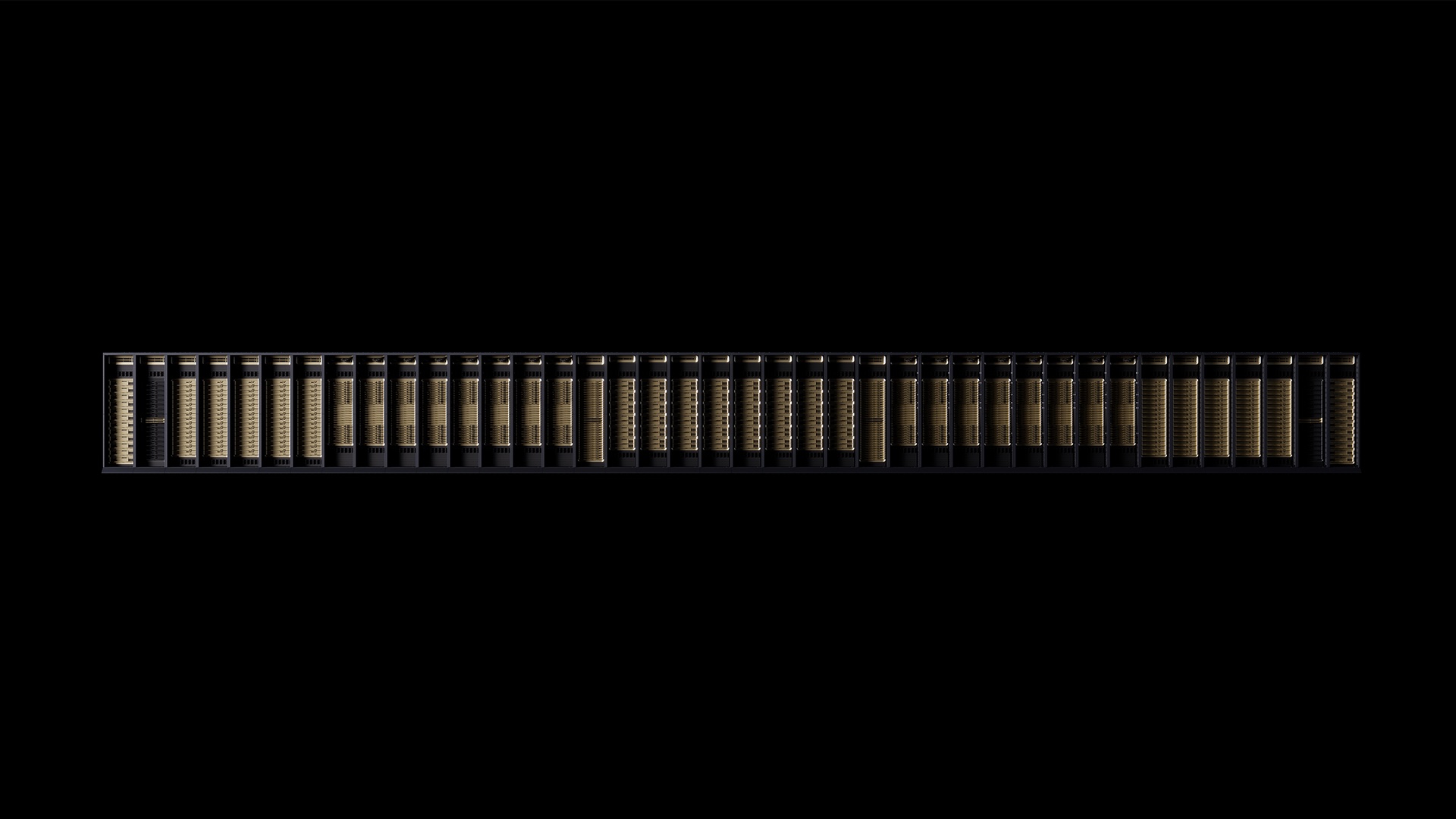
At first glance, the announcement appears to be focused on compute performance. The platform combines 72 Rubin GPUs and 36 Vera CPUs connected by a 260 TB/s NVLink fabric, delivering up to ten times greater inference performance per watt compared to previous-generation systems.
However, the real story for data center operators, designers, and cooling leaders is not just the hardware itself. It's what was required behind the scenes to make this next generation of AI infrastructure operational.
As AI workloads become larger, denser, and more power-intensive, traditional approaches to data center design are reaching their limits. Supporting platforms such as Vera Rubin requires a much deeper integration between compute, power, networking, and cooling systems than ever before.
Cooling Is No Longer an Afterthought
Historically, cooling has often followed IT design decisions. Today, that approach is becoming increasingly difficult to sustain.
High-density AI clusters are generating unprecedented thermal loads, making cooling a critical factor in infrastructure planning. Rather than being treated as a downstream requirement, thermal management is now influencing design decisions from the earliest stages of development.
The infrastructure deployed by CoreWeave demonstrates this shift. To support Vera Rubin, the company implemented software-defined liquid cooling alongside real-time monitoring capabilities, including rack-level flow, pressure, and leak detection. These systems work alongside coordinated airflow management, contactless power distribution, and high-bandwidth networking to create an environment capable of supporting next-generation AI workloads.
The Challenges Facing Data Center Teams
As AI infrastructure scales, organizations are facing increasingly complex questions:
- How can cooling systems scale alongside rapidly growing compute density?
- What processes are needed to manage liquid cooling risk at rack level?
- How can mechanical, electrical, and IT teams align earlier in the design process?
- What infrastructure decisions made today will support the next generation of AI hardware?
- How can operators maintain reliability while accelerating speed-to-market?
These challenges are no longer theoretical. The arrival of platforms such as Vera Rubin means they are becoming immediate priorities for organizations designing, building, and operating AI-ready facilities.
The result is a clear indication of where the industry is heading.
Preparing for the Next Generation of AI Infrastructure
The Vera Rubin launch reinforces a growing industry reality: successful AI deployments depend just as much on cooling and power infrastructure as they do on compute performance.
As organizations continue to push the boundaries of AI capability, cooling strategies must evolve alongside them. Liquid cooling deployment, power and cooling integration, commissioning practices, water management, operational resilience, and long-term scalability are all becoming core competitive considerations.
For data center teams, understanding these topics today will be critical to supporting the AI workloads of tomorrow.
Join the Conversation at Advancing Data Center Cooling Innovation East 2026
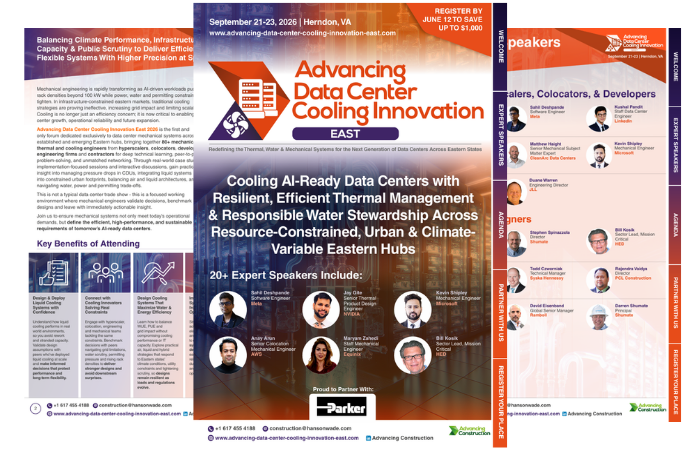
These are exactly the challenges being explored at Advancing Data Center Cooling Innovation East 2026.
Bringing together hyperscalers, colocators, engineers, contractors, cooling specialists, and technology leaders, the event focuses on the practical realities of designing and operating data centers in the AI era.
Attendees will gain insights into liquid cooling deployment, high-density facility design, integrated power and cooling strategies, operational reliability, commissioning best practices, and the technologies shaping the future of thermal infrastructure.
If you're responsible for designing, delivering, operating, or enabling next-generation data center infrastructure, this is an opportunity to learn from peers tackling the same challenges and to help shape the industry's response to AI-scale growth.
Join us in Herndon, VA, September 21-23, and be part of the discussions defining the future of data center cooling.
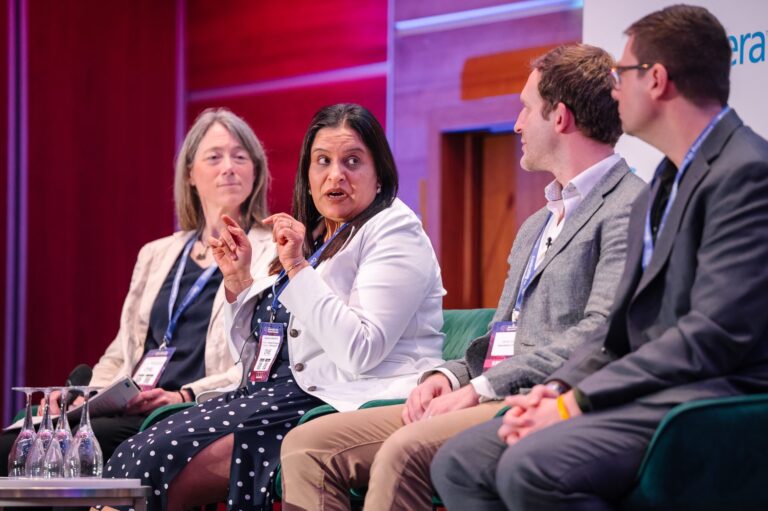
Explore the Agenda
See how mechanical engineers are tackling liquid, hybrid, and high‑density cooling challenges, session by session.
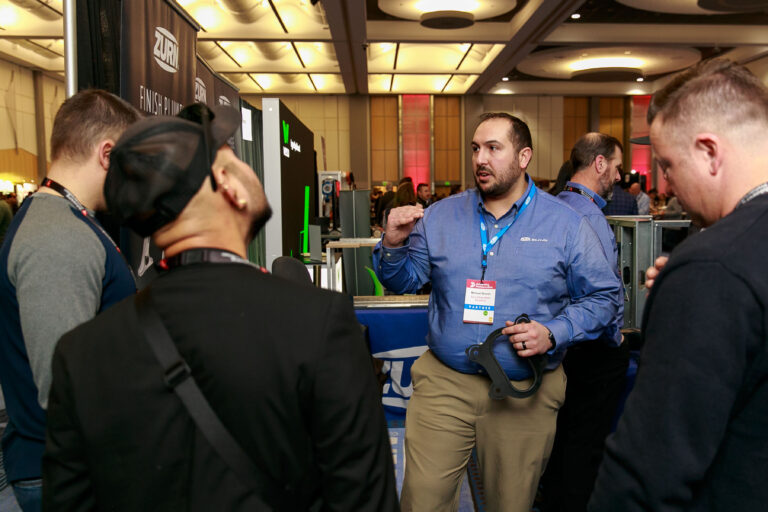
Partner With Us
Position your solutions in front of the mechanical decision‑makers shaping Eastern data center cooling design and delivery.
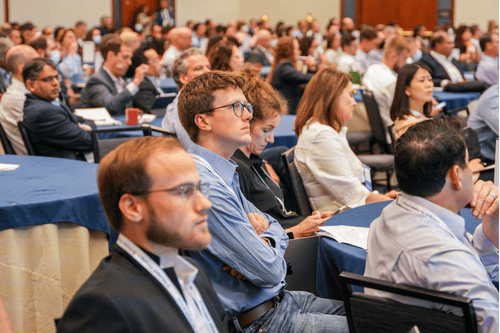
Join Data Center Cooling Experts
Engage directly with mechanical engineers, hyperscalers, colocators, and solution providers driving real-world, AI-ready cooling strategies and deployment.