
AI Infrastructure Is Pushing Cooling Beyond Its Limits
The rapid growth of AI is transforming data center design. While conventional air-cooled environments typically support 15-25 kW per rack, today's AI deployments are already exceeding 85 kW per rack, with future generations expected to reach 200-250 kW.
As power densities increase, traditional cooling approaches are struggling to keep pace. In response, liquid cooling is moving from a niche technology to a core requirement, with liquid-cooled AI servers projected to account for 76% of the market in 2026.
Why Cooling Has Become a Strategic Priority
Cooling is no longer a supporting system. It is now a critical factor influencing capacity, reliability, efficiency, and speed-to-market.
Data center teams are increasingly focused on:
- Scaling liquid cooling infrastructure
- Designing facilities for higher rack densities
- Integrating power and cooling systems earlier
- Managing supplier constraints and equipment availability
- Improving commissioning and operational reliability
The challenge is clear: AI growth is accelerating faster than traditional cooling strategies can adapt.
Key Questions Facing Data Center Leaders
As next-generation AI workloads arrive, organizations must answer several pressing questions:
- How can facilities support 200+ kW rack densities?
- What cooling architectures will be required for future AI deployments?
- How can operators scale liquid cooling efficiently across existing and new sites?
- How can project teams reduce implementation risk while maintaining uptime?
Answering these questions will be essential for supporting the next wave of AI infrastructure growth.
Learning From Industry Leaders
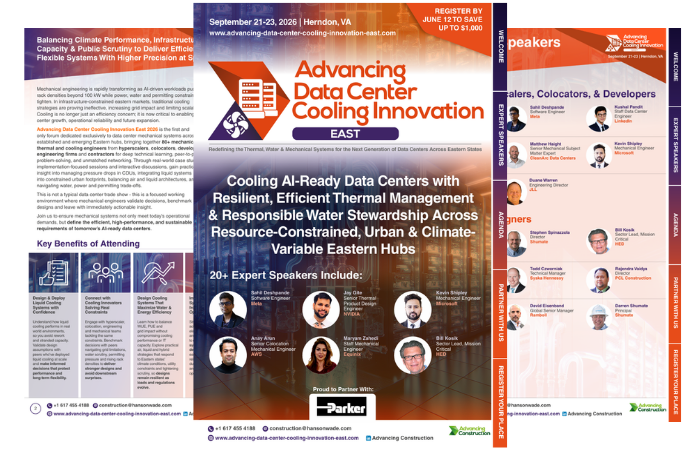
These topics will be at the center of discussion at Advancing Data Center Cooling Innovation East 2026, where hyperscalers, colocators, engineering firms, contractors, and cooling specialists will share practical strategies for delivering AI-ready infrastructure.
Topics include:
- Future-proof cooling design for evolving chip roadmaps
- Scaling liquid cooling deployments
- Overcoming supply chain and component challenges
- Improving integration, commissioning, and reliability
As AI demand continues to rise, the ability to design and operate high-density cooling infrastructure will become a key competitive advantage.
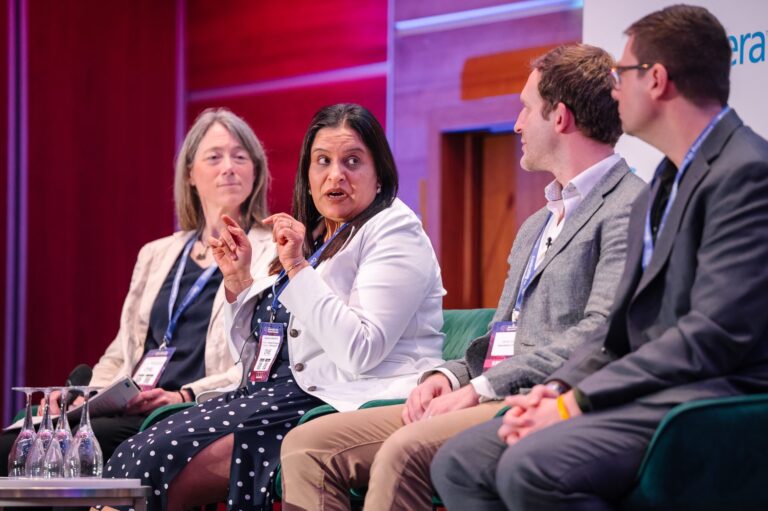
Explore the Agenda
See how mechanical engineers are tackling liquid, hybrid, and high‑density cooling challenges, session by session.
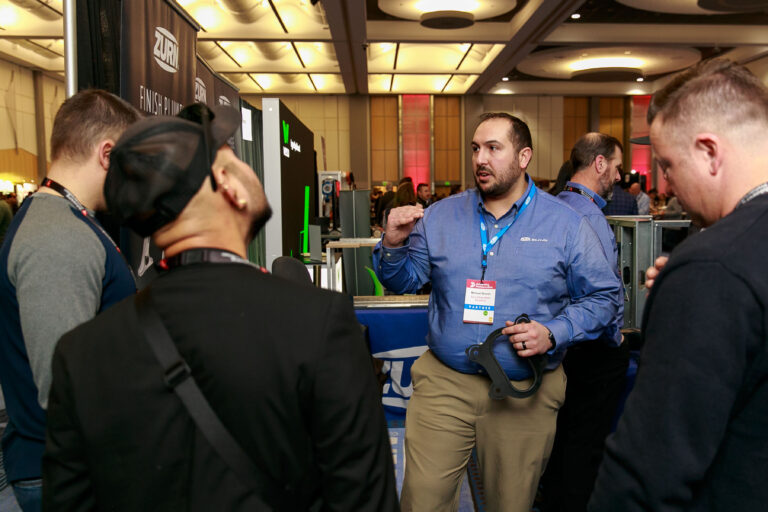
Partner With Us
Position your solutions in front of the mechanical decision‑makers shaping Eastern data center cooling design and delivery.
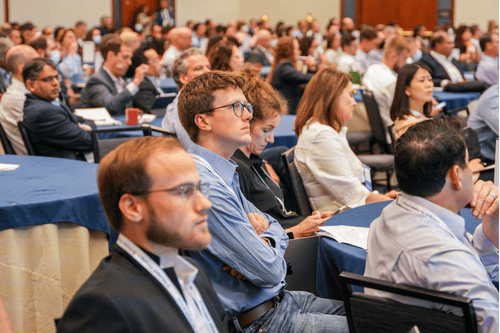
Join Data Center Cooling Experts
Engage directly with mechanical engineers, hyperscalers, colocators, and solution providers driving real-world, AI-ready cooling strategies and deployment.